
Modern industrial operations require continuous monitoring to ensure workplace safety. Consequently, Health, Safety, and Environment (HSE) management is undergoing a digital transformation. Smart HSE integrates advanced Internet of Things (IoT) devices to create proactive safety ecosystems.
What is Smart HSE?
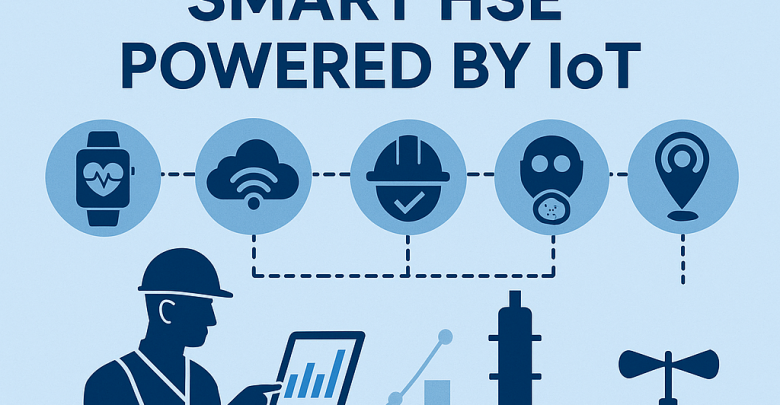
Smart HSE combines connected hardware and intelligent software to protect workforce health and physical assets. Specifically, it leverages several core IoT technologies:
- Biometric Wearables: Wristbands and smart bands continuously monitor worker vital signs, body temperature, and fatigue levels.
- Environmental Sensors: Gas detectors monitor ambient air quality, toxic emissions, and hazardous noise levels in real time.
- Smart PPE: Connected helmets and vests alert supervisors immediately in case of equipment misuse, impacts, or fall events.
- Location Tracking Nodes: GPS and indoor beacons enable rapid emergency responses and prevent workers from entering active hazard zones.
Together, these connected technologies build real-time risk awareness. Furthermore, they empower safety managers to prevent industrial incidents before they happen.
Key Benefits of Smart HSE Systems
Adopting IoT-driven safety architectures delivers major operational advantages:
- Real-Time Monitoring: Instant alerts provide immediate visibility into unsafe conditions. As a result, field teams respond faster to emerging threats.
- Predictive Analytics: Machine learning models analyze historical sensor data. Consequently, safety managers can identify risk patterns and mitigate hazards early.
- Automated Regulatory Compliance: Digital logging replaces manual paperwork. Therefore, organizations improve audit accuracy and streamline safety compliance.
- Enhanced Worker Safety: Transparent safety tracking fosters a strong safety culture and boosts workforce morale.
Challenges and Implementation Considerations
While Smart HSE offers immense value, enterprises must address specific operational hurdles during deployment:
- Data Privacy and Security: Protecting sensitive biometric data and employee location logs requires robust encryption frameworks.
- System Interoperability: Integrating new wireless sensor networks with legacy industrial control platforms requires flexible communication gateways.
- Change Management: Educating staff and building trust ensures smooth adoption across field operations.
Conclusion
Smart HSE does not replace human oversight with machines. Instead, it empowers safety officers with better information, faster response capabilities, and safer environments. Ultimately, the future of industrial HSE remains connected, intelligent, and proactive.