Introducing CupCarbon: A Powerful IoT Simulator for Smart City Research


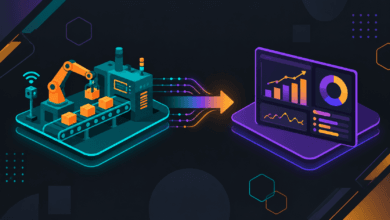
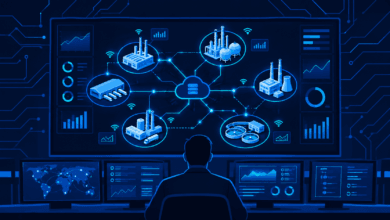
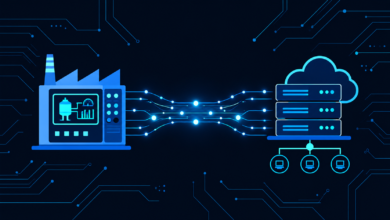
Simulating large-scale Internet of Things (IoT) deployment requires powerful, specialized modeling tools. CupCarbon provides a dedicated Smart City and Wireless Sensor Network (WSN) simulator designed to help engineers visualize node interactions in real-world environments.
Consequently, researchers use CupCarbon to design, test, and validate complex distributed architectures before physical deployment.
Key Features of CupCarbon
CupCarbon offers essential capabilities tailored specifically for IoT researchers and network engineers:
- Specialized for IoT & WSN: Developers built CupCarbon from the ground up to address the specific demands of low-power sensor networks.
- User-Friendly 2D/3D Interface: The platform provides visual environments that allow engineers to structure complex network architectures effortlessly.
- Advanced Mobility Models: It supports realistic mobility patterns. Consequently, this feature enables accurate simulation of smart vehicles and human movement across smart cities.
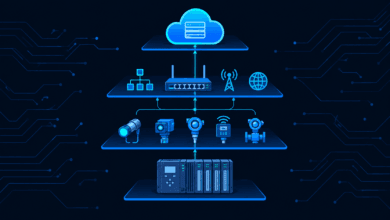
- Full-Stack Protocol Support: CupCarbon allows researchers to analyze every layer of the IoT protocol stack, from physical radio signals to application data flow.
- Accessible Learning Curve: Comprehensive documentation and pre-built sample projects ensure rapid onboarding for new users.
- Cost-Effective Open-Source Model: The platform remains completely free and open-source, benefiting from continuous community updates.
Technical Snapshot
The following table summarizes the core technical specifications of CupCarbon:
| Feature | Description |
|---|---|
| Primary Use | Smart City, IoT, and WSN Simulation |
| Visual Environment | Interactive 2D and 3D Geographic Modeling |
| Key Capability | Node Mobility Modeling & Multi-Layer Protocol Research |
| Development Model | Open Source and Completely Free |
| Learning Curve | Accessible (Includes Rich Docs & Sample Projects) |
Conclusion
CupCarbon serves as an exceptional platform for modeling smart city concepts and analyzing IoT node behavior under realistic movement scenarios. By reducing technical setup overhead, it empowers developers to focus entirely on project logic and system architecture.