The Industrial Evolution: A Comprehensive Guide to IoT Verticals and Sector Transformation
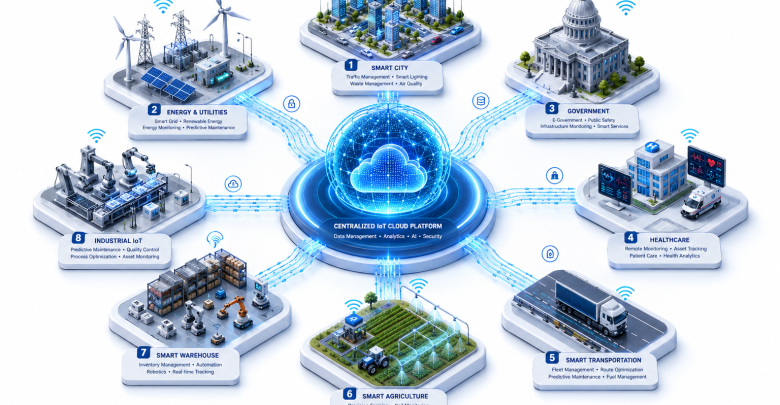
8 Critical IoT Verticals Driving Digital Transformation
The Internet of Things (IoT) is fundamentally reshaping modern industry. By deploying distributed sensor networks, enterprise decision-makers optimize operational processes in real time.
Consequently, this guide outlines the critical IoT verticals driving digital transformation across global markets.
1. Smart Infrastructure & Urban Management
IoT acts as the core catalyst for the smart city paradigm. By optimizing asset lifecycles, municipalities reduce operational overhead significantly.
- Intelligent Lighting & Waste: Adaptive streetlights react to pedestrian presence. Furthermore, sensors optimize waste collection routes based on container fill levels.
- Traffic & Transportation: Real-time monitoring systems adjust signal timings dynamically to mitigate urban gridlock.
- Building Automation: Integrated networks manage HVAC, lighting, and security to maximize energy efficiency and occupant comfort.
2. Smart Energy Grids
IoT optimizes power distribution, consumption, and conservation. Consequently, it moves energy management toward a decentralized, responsive model.
- Smart Metering: Bidirectional communication enables real-time energy monitoring and improves billing accuracy.
- Grid Resilience: Edge sensors facilitate predictive maintenance on power lines, identifying faults before outages occur.
- Demand Response: Automated systems balance consumption peaks by communicating directly with industrial load controllers.
3. Smart Governance & Public Services
Governments digitize public services to solve civic challenges through data-driven strategies.
- Environmental Monitoring: Sensor grids monitor air quality indexes and water contamination levels in real time.
- Digital Identity Frameworks: Integrated digital platforms streamline citizen interactions with public institutions.
- Smart Parking Solutions: Real-time occupancy sensors guide drivers toward available spaces. Therefore, cities reduce fuel consumption and traffic congestion.
4. Smart Healthcare (IoMT)
The Internet of Medical Things (IoMT) shifts healthcare from reactive clinical visits to continuous health management.
- Remote Patient Monitoring (RPM): Wearable devices stream vital signs directly to clinical teams. Consequently, physicians initiate early medical interventions.
- Smart Hospital Operations: Real-time location systems track high-value medical assets and optimize patient flow within facilities.
- AI-Powered Diagnostics: Predictive analytics models analyze streaming patient telemetry to identify health risks early.
5. Fleet Management Systems & Connected Vehicles
Modern logistics relies heavily on IoT platforms. Specifically, these solutions transform vehicles into intelligent data-generating endpoints.
- Real-time Visibility: GPS tracking and geofencing provide granular asset visibility across global transport routes.
- Proactive Maintenance: Vehicle telemetry predicts mechanical failures early. Consequently, fleet managers eliminate roadside downtime.
- Driver Safety: Telemetry models evaluate driver behavior while automated systems contact emergency services during collisions.
6. Smart Agriculture (Precision Farming)
IoT technologies empower agricultural producers to maximize crop yields while minimizing resource waste.
- Precision Farming: Field sensors monitor soil moisture, pH levels, and local weather shifts to optimize fertilization.
- Automated Irrigation: Precision controllers trigger water delivery only when environmental thresholds require action.
- Livestock Tracking: Wearable collars track animal health metrics and location to isolate disease outbreaks early.
7. Logistics & Supply Chain Automation
IoT solutions provide the transparency required for agile supply chain management in volatile global markets.
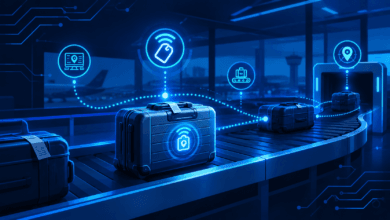
- Shipment Visibility: Global positioning networks supply end-to-end transparency for international cargo flows.
- Cold Chain Monitoring: Environmental sensors ensure temperature-sensitive pharmaceuticals and foods maintain integrity in transit.
- Warehouse Automation: RFID systems automate inventory tracking and increase warehouse picking accuracy significantly.
8. Industrial IoT (IIoT) & Industry 4.0
The manufacturing sector thrives on IIoT. Indeed, it bridges the historical gap between operational technology (OT) and information technology (IT).
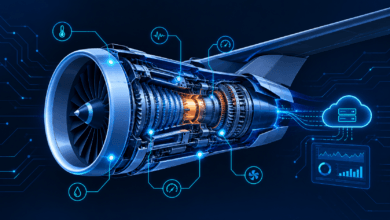
- Predictive Maintenance: Thermal and vibration sensors monitor industrial machinery health continuously.
- Advanced Robotics: Automated production lines adjust dynamically to changing output requirements.
- Digital Twins: Engineers create virtual replicas of physical assets to simulate operational improvements safely.
Conclusion
The transformation enabled by IoT is fundamental. By enhancing operational efficiency, minimizing waste, and enabling data-driven decisions, adopting IoT is no longer optional. Ultimately, seamless connectivity between physical hardware and digital platforms defines the future of global technology.