


The Internet of Things has moved well past its early hype cycle into a maturing industry where the most interesting innovation increasingly happens at the edges — smaller, focused companies solving specific problems that larger platform providers haven’t gotten to yet. Whether you’re tracking the space as an investor, evaluating vendors for your own IoT deployment, or simply curious where the industry is heading, understanding today’s most promising IoT startups tells you a lot about where the technology is actually going next.
This guide covers the categories where IoT startup activity is concentrated right now, what makes a startup worth watching in each category, and how to evaluate one before committing to it as a customer, partner, or investor.
Where IoT Startup Innovation Is Concentrated
Rather than list specific companies (which change quickly as the market evolves), it’s more useful to understand the categories where the most active and well-funded IoT startup activity is happening.
Industrial IoT and Predictive Maintenance
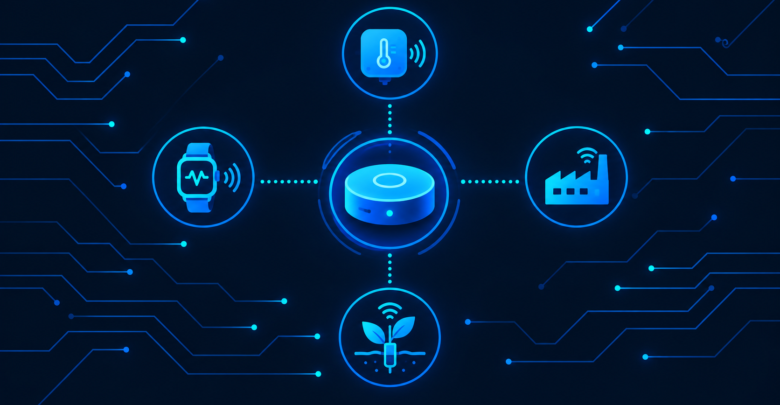
Startups building sensor systems and analytics platforms that let manufacturers monitor equipment health and predict failures before they cause costly downtime. This category benefits from a large addressable market and a clear, measurable return on investment for customers.
Smart Agriculture (AgTech)
Startups deploying soil sensors, weather monitoring, and automated irrigation systems that help farmers optimize water use, predict crop yields, and reduce input costs. Agriculture represents one of the industries where IoT adoption still has significant room to grow.
Healthcare and Remote Patient Monitoring
Wearables and connected medical devices that let healthcare providers monitor patients outside a hospital setting. This category faces the heaviest regulatory scrutiny of any IoT startup space, but also offers some of the strongest long-term demand drivers given aging populations and rising healthcare costs.
Smart Building and Energy Management
Startups building sensor networks and software platforms that optimize energy use, occupancy management, and predictive maintenance across commercial and residential buildings. Rising energy costs and corporate sustainability commitments have made this a well-funded category.
Supply Chain and Logistics Tracking
Startups building tracking and monitoring systems for shipments, fleets, and warehouse operations — extending beyond simple location tracking into condition monitoring for sensitive goods. This category saw significant investment acceleration following widespread supply chain disruptions in recent years.
Edge AI and On-Device Intelligence
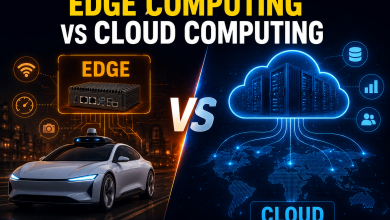
A newer wave of startups focused on running machine learning models directly on IoT devices, reducing latency, bandwidth costs, and privacy concerns. This category has grown alongside improvements in low-power AI chips.
Connectivity and Low-Power Networking
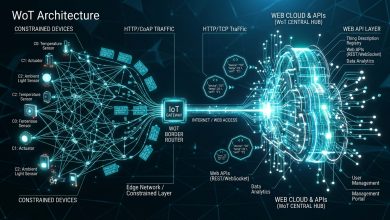
Startups building specialized connectivity solutions — low-power wide-area networks (LPWAN), satellite IoT connectivity for remote locations, and mesh networking protocols designed for battery-constrained devices.
What Makes an IoT Startup Worth Watching
A Clear, Measurable ROI Story
The IoT startups that gain the most traction are usually the ones that can point to a specific, quantifiable benefit for customers — reduced downtime, lower energy costs, fewer product losses — rather than a vague promise of “digital transformation.”
Hardware-Software Integration
The strongest IoT startups typically own both the hardware and software experience end-to-end, or have deep, defensible partnerships across that boundary. Startups that only provide software on top of generic, commodity hardware often struggle to differentiate.
Data Strategy Beyond Collection
Simply collecting sensor data isn’t a defensible business on its own anymore — the differentiator increasingly lies in what a startup does with that data: the quality of its analytics and how well it turns raw sensor readings into decisions a customer can act on.
Realistic Path to Scale
IoT hardware businesses face real scaling challenges that pure software startups don’t — manufacturing, hardware certification, supply chain logistics, and physical deployment costs. Startups with a credible plan for navigating these challenges tend to fare better as they grow.
How to Evaluate an IoT Startup as a Potential Customer or Partner
- Does the ROI case hold up for your specific situation, not just the startup’s marketing case studies?
- What happens to your data and hardware if the startup gets acquired or shuts down? IoT hardware deployments create real switching costs.
- How mature is the security posture of the product, particularly for anything touching operational technology or sensitive data?
- Does the startup have reference customers in a situation similar to yours, or are you effectively becoming their first real-world validation case?
The Broader Trend: From Novelty to Infrastructure
The IoT startup landscape today looks meaningfully different from the space five or ten years ago. Early IoT startups often sold connectivity and basic sensing as the core value proposition. Today’s most successful startups increasingly treat connectivity as a solved, commoditized layer, and compete instead on the quality of their analytics, the depth of their industry-specific expertise, and how seamlessly their solution integrates into a customer’s existing workflow. This shift reflects a broader maturation: IoT is steadily becoming boring, reliable infrastructure rather than an exciting, standalone technology category — which is exactly the direction an industry needs to go to deliver on its promises at scale.
Conclusion
The most interesting IoT startup activity right now isn’t concentrated in flashy consumer gadgets — it’s happening in industrial, agricultural, healthcare, and logistics applications where measurable ROI and deep domain expertise matter more than novelty. Whether you’re evaluating these companies as an investor, a potential customer, or simply tracking where the industry is headed, focusing on categories and evaluation criteria gives you a far more durable way to understand where IoT is actually going.
If you’re specifically interested in how IoT applies to industrial asset tracking, our guide on Real-Time Location Systems (RTLS) covers one of the technology categories many of today’s supply chain and logistics-focused startups build on.

One Comment