

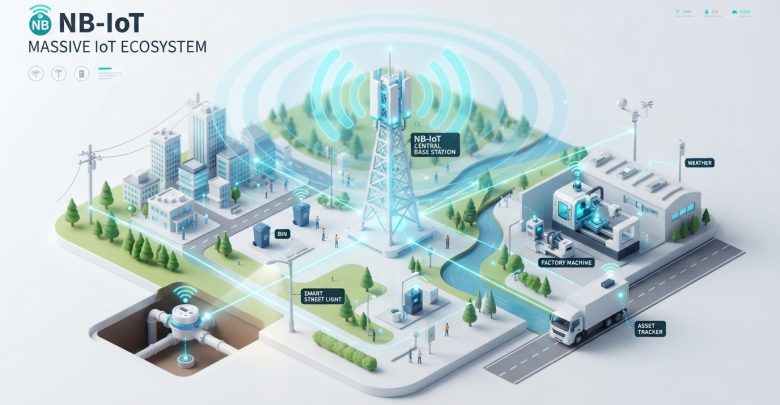
When building IoT ecosystems that require wide-area coverage, low power consumption, and high reliability, selecting the right network infrastructure is paramount. Narrowband IoT (NB-IoT), also known as LTE-M2, stands out as a leading Low-Power Wide-Area Network (LPWAN) technology specifically engineered to address these challenges.
Understanding Narrowband IoT (NB-IoT)
NB-IoT is a standardized radio technology developed by the 3GPP to enable a wide range of cellular devices and services. Unlike traditional cellular networks that prioritize high-speed data, NB-IoT focuses on efficiency, deep indoor penetration, and massive device density.
It operates in three distinct deployment modes:
- Standalone: Utilizing a dedicated spectrum.
- Guard Band: Utilizing unused 200 kHz bands previously allocated for GSM.
- In-Band: Utilizing resource blocks within existing LTE base stations.
Major industry players—including Huawei, Ericsson, Qualcomm, and Vodafone—have championed this standard, recognizing its transformative potential for global IoT deployment.
Business & Technical Advantages
NB-IoT is designed to overcome the limitations of traditional cellular technologies for IoT use cases.
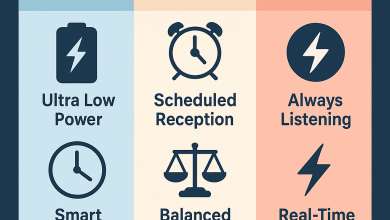
- Energy Efficiency: With billions of IoT devices expected, manual battery replacement is unsustainable. NB-IoT is optimized for minimal power consumption during signal processing, significantly extending the operational lifespan of battery-powered sensors.
- Cost-Effectiveness: Its simplified waveform (200 kHz bandwidth) and streamlined analog-to-digital (A/D) conversion processes result in simpler, cheaper chipsets.
- High Reliability: Operating within a licensed spectrum ensures managed Quality of Service (QoS), preventing interference and providing guaranteed resource allocation.
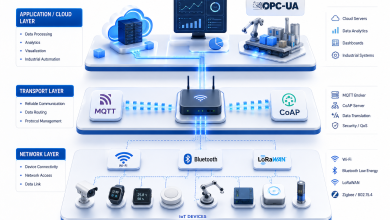
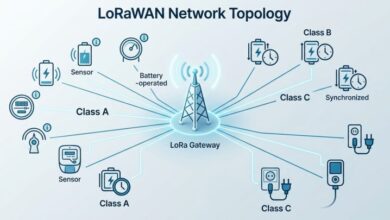
- Massive Scalability: Unlike technologies that require local gateways (which add complexity and cost), NB-IoT devices connect directly to cellular base stations. This “direct-to-tower” architecture reduces deployment costs and infrastructure overhead.
- Global Reach: While some regions have limited LTE coverage, NB-IoT provides a cost-effective, standardized path for IoT innovation, enabling connectivity in areas where high-speed mobile networks may not yet be profitable.
Key Use Cases
The flexibility and range of NB-IoT make it ideal for various industrial and municipal applications:
- Smart Metering: Remote, real-time monitoring of electricity, water, and gas consumption.
- Facility Management: Automated reporting and monitoring of commercial building systems.
- Safety & Security: Advanced fire alarm and emergency response systems for homes and businesses.
- Asset Tracking: Low-power tracking of personnel, pets, or high-value physical assets.
- Smart City Infrastructure: Intelligent control of street lighting and municipal grids.
- Industrial IoT: Monitoring of machinery such as industrial welders and air compressors to predict maintenance needs.
Potential Hurdles and Considerations
While NB-IoT is positioned by industry analysts like Gartner as a core pillar of the LPWAN landscape, adopters should be aware of certain challenges:
- Development Costs: Initial investment in firmware and software development can be substantial.
- Antenna Complexity: Achieving deep penetration and efficiency may require specialized, sophisticated antenna designs.
- Regulatory & Licensing Fees: As the technology becomes more prevalent, ISPs may adjust licensing fees for spectrum usage, impacting the long-term TCO (Total Cost of Ownership).
Conclusion
NB-IoT is rapidly becoming the gold standard for low-power, wide-area connectivity. By leveraging the existing GSM/LTE spectrum and focusing on device longevity, it offers a robust, reliable, and globally scalable framework. As IoT continues to proliferate across smart cities and industries, NB-IoT will remain the critical bridge between the physical and digital worlds.
Tags:
NB-IoT | LPWAN | IoT Connectivity | Narrowband IoT | Smart Metering | Industrial IoT | Smart City | 3GPP | Wireless Protocols | Connectivity Infrastructure